Pages

Thursday, 14 June 2018

World Cup Blogs 11: France

France are one of the teams you hope to get in the office sweepstakes.  They are a strong possibility to win the World Cup (my wife got Morocco . . .).

Here is a nation that has a strong identity, a famed language and a colourful history that has at times made it as important as any nation on earth.  It's relationship with the Christian faith is very mixed.  It was the home of the popes for a while (or one of the popes for a while too - another story), and still today hoardes of Catholics flock to Lourdes.  On another side of the theological ocean was John Calvin and later the Huguenots.  Then the revolution sent France into a secular tailspin which I feel leaves it artistic, monumental, important but somehow a little empty of a soul.

But in the hectic life of London (Londres, sorry) and in the materialistic 21st century as we all start to share the secular spiral away from true hope, let's enjoy some moments of peace from a 20th century French institution.  The World Cup draws people of many nations, but whether it benefits them is not so clear.  Here's another way:


Monday, 11 June 2018

World Cup Blogs 10: England

Let FIFA,the governing body of the World Cup,  tell the story . . .

The contemporary history of the world's favourite game spans more than 100 years. It all began in 1863 in England, when rugby football and association football branched off on their different courses and the Football Association in England was formed - becoming the sport's first governing body

So there we have it.  England are not only at the World Cup - England is the origin of the sport that the World Cup is about.

Though England is not the largest or most populous of nations it has been the place where many benefits to humankind have begun apart from sports like football, rugby and cricket.

Only this week I was reading about the start of the (now worldwide) Hospice Movement - in England.  Penicillin was a great discovery that certainly delays many of our admissions to hospices and the like.  Viagra (no further comment).

Of less life-saving significance the textile industry spawned many inventions including the sewing machine and polyester.  Then there's pencils, bone china, typewriters, radio, the world-wide web, carbon fibre, tin cans for food, light switches, stainless steel, the tuning fork, DNA sequencing, the seismograph, seat belts and toy building bricks (Lego later obtained the patent and the rest is history).  Yet this list is but a tiny sample.

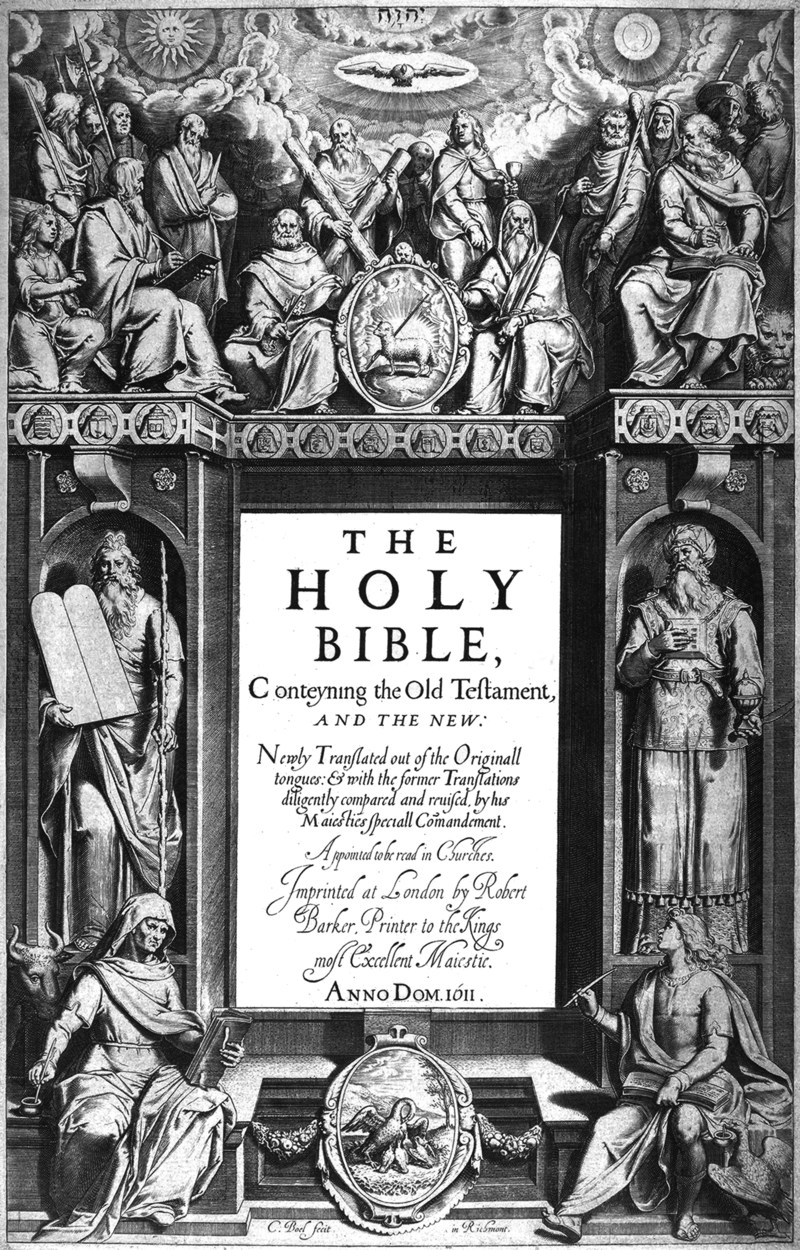
Of more direct interest to this blog are those Christian ministries which started in England.  The Salvation Army, the Baptist Missionary Society (followed by very many others),  Methodism, the Quakers, the King James Version of the Bible and the Book of Common Prayer.   These spiritual gifts to God's world are much disregarded today and are quite similar to football (and Lego bricks) for though beginning in England many of the blessings from God are today valued more and used to far greater effect by other peoples of the world.


Losing what you launched is a nuisance for football and toy bricks but in things spiritual it is catastrophic - so here's (part of) the dying prayer of one of the great shapers of England, Oliver Cromwell:
Lord, though I am a miserable and wretched creature, I am in covenant with Thee through grace. And if I may, I will come to Thee for Thy people.
Thou hast made me, though very unworthy, a mean instrument to do them some good…and many of them have set too high a value upon me, while others wish me dead and would be glad of my death.
Lord, no matter how thou dispose of me, continue to do them good….Forgive their sins and do not forsake them, but love and bless them ...
Teach those that look too much on Thy instruments to look more upon Thyself. And pardon ....the folly of this short prayer and give me rest for Jesus Christ’s sake, to whom, with Thee and Thy Holy Spirit, be all honour and glory, for now and forever, Amen

Saturday, 9 June 2018

World Cup Blogs 9: Egypt

Egypt may not be the World Cup's stand out football nation but for a Christian blogger going through the World Cup nations Egypt is unquestioningly the Biblical centrepiece.   After Israel and (arguably) the predecessors of Iraq, Egypt is the next most mentioned nation in the Scriptures.  One of the Bible's greatest stories - the Exodus - began there; another, the story of Joseph, is almost entirely set there.  Abraham visited there, Jacob retired there, Moses was born there, Kings David and Solomon had dealings there (no, they were not Egyptian as some speculators have suggested) and we could go on.

In the New Testament, Egypt is mentioned only a couple of dozen times and nearly always with reference to the Exodus or quoting Psalms about those days.

Except twice.  On the Day of Pentecost people from Egypt were among those present at the outset of the Christian church's missionary story - long before Croatia that we looked at a blog or two ago.  But the other New Testament occurrence of Egypt is what sets it apart from all other the nations at this World Cup - God walked there.


An angel of the Lord appeared to Joseph in a dream. ‘Get up,’ he said, ‘take the child and his mother and escape to Egypt. Stay there until I tell you, for Herod is going to search for the child to kill him.’
So he got up, took the child and his mother during the night and left for Egypt, where he stayed until the death of Herod. And so was fulfilled what the Lord had said through the prophet: ‘Out of Egypt I called my son.’
There are timing issues with this toddlerdom of Jesus.  The truth may be somewhat greater than that God walked in Egypt.  It could be - it is likely to be - that Egypt was where God learned to walk.

Whatever Egypt achieves in this World Cup we may be sure that it is not going to be the most mind-boggling thing to think about when we think about Egypt.

Tuesday, 5 June 2018

World Cup Blogs 8: Denmark

Should England not do well - I can hardly believe I used 'should' there, as if there is some doubt - a decent option (historically speaking) is to transfer support to Denmark.  It's been awhile but there was a time when England and Denmark had the same King.  More accurately, what is now England was then the Danelaw and subject to the Danish throne.  That was King Canute (Danish: Knut).  He famously sat on the beach to show that, for all his power, he could not hold back the incoming tide.


Denmark remains a monarchy, and other Danish kings have had pause for thought about their limitations too.  Here's the Marble Church (Frederik's Church) in the royal district in Copenhagen, a picture from my most recent visit to the city.  Marble, but made largely of limestone - not enough cash available you see.  It isn't just the tide that earthly kings cannot control.

Over its entrance is written 1 Peter 1:25, The Word of the Lord endures for ever.  How good it is to remember that our passing lives are lived in the context of something that will be as true when we die as it was when we were born.  

This church also speaks of other monarchical frailties.  It was opened about 125 years ago.  This means that it has currently been open for fewer years than it took to build!  Lack of funds and effort meant it was 150 years from foundation stone to opening.  It is a monument to what the Word of a King cannot do - except the King of kings.

Unfortunately we look in vain for a Biblical prophecy of English sporting success . . .  150 years perhaps?